Thinking about a move to Central Illinois and wondering where to land? You want solid value, easy access to work and healthcare, and a lifestyle that fits your pace. Peoria checks a lot of those boxes if you need a reliable home base with options in every direction. In this guide, you’ll learn how Peoria functions as the region’s hub, what neighborhoods to consider, and the practical steps to plan your move with confidence. Let’s dive in.
Why Peoria works as your hub
Peoria is the principal city of the region and serves as Central Illinois’ economic, medical, education, and cultural center. According to the 2020 U.S. Census, the city’s population was approximately 113,000, while the broader metro pulls in residents from surrounding counties for work and services. You’ll find a range of housing types and price points, plus commutes that are typically shorter than in large metros.
Healthcare, higher education, and cultural amenities are concentrated in and around downtown and the riverfront. Keep in mind that Illinois property tax structures and school funding vary by district, so tax bills and school options can differ by neighborhood. If you are evaluating homes near the Illinois River, floodplain and storm considerations should be part of your due diligence.
Housing options across the area
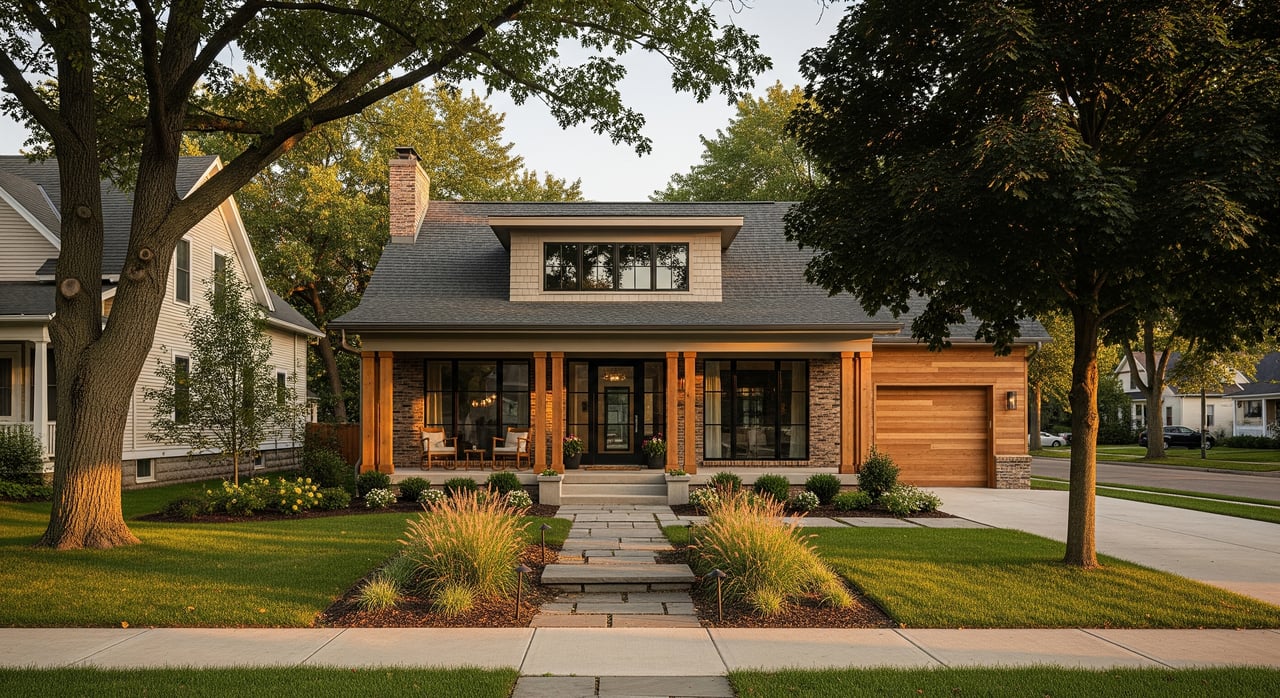
Peoria and the Tri‑County suburbs offer a wide housing spectrum. You’ll see historic single‑family homes, mid‑century ranches, modern subdivisions, riverfront condos, and rural acreage in nearby townships. Many buyers find overall costs compare favorably with large coastal markets, though prices vary by location and home type.
Property taxes in Illinois can be higher than in some states, and effective rates differ by county and taxing district. It’s smart to estimate taxes for specific properties through the appropriate county assessor. For current availability and pricing, review local market data and request neighborhood‑level insights before you shop.
Snapshot of key neighborhoods
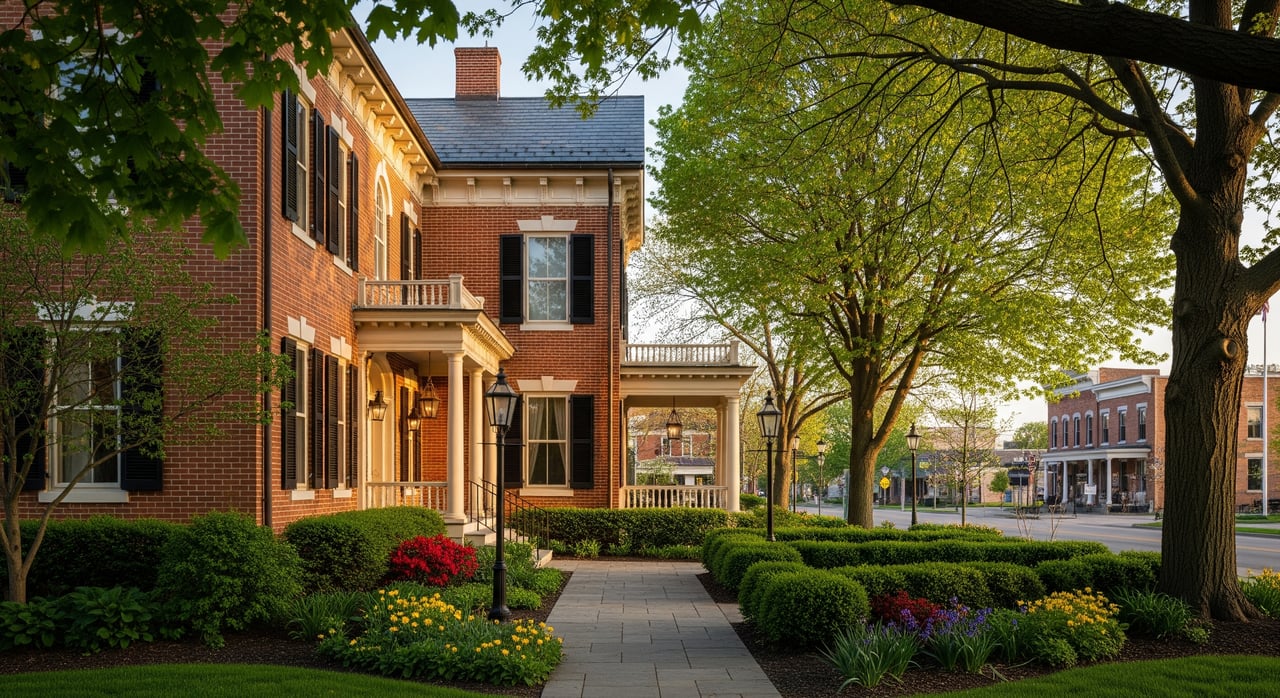
- West Bluff and historic core: Walkable streets, proximity to downtown and the riverfront, and older homes with period details.
- North and Northwest Peoria: Newer subdivisions, convenient shopping corridors, and a classic suburban feel.
- Peoria Heights: A village setting next to Peoria with boutique shops, dining, and a mix of older and higher‑end homes.
- South Side and East Bluff: Mixed housing with pockets of affordability and quick access to major roads.
- East Peoria, Morton, Pekin: Suburban communities across the river in Tazewell County with newer housing and commercial centers.
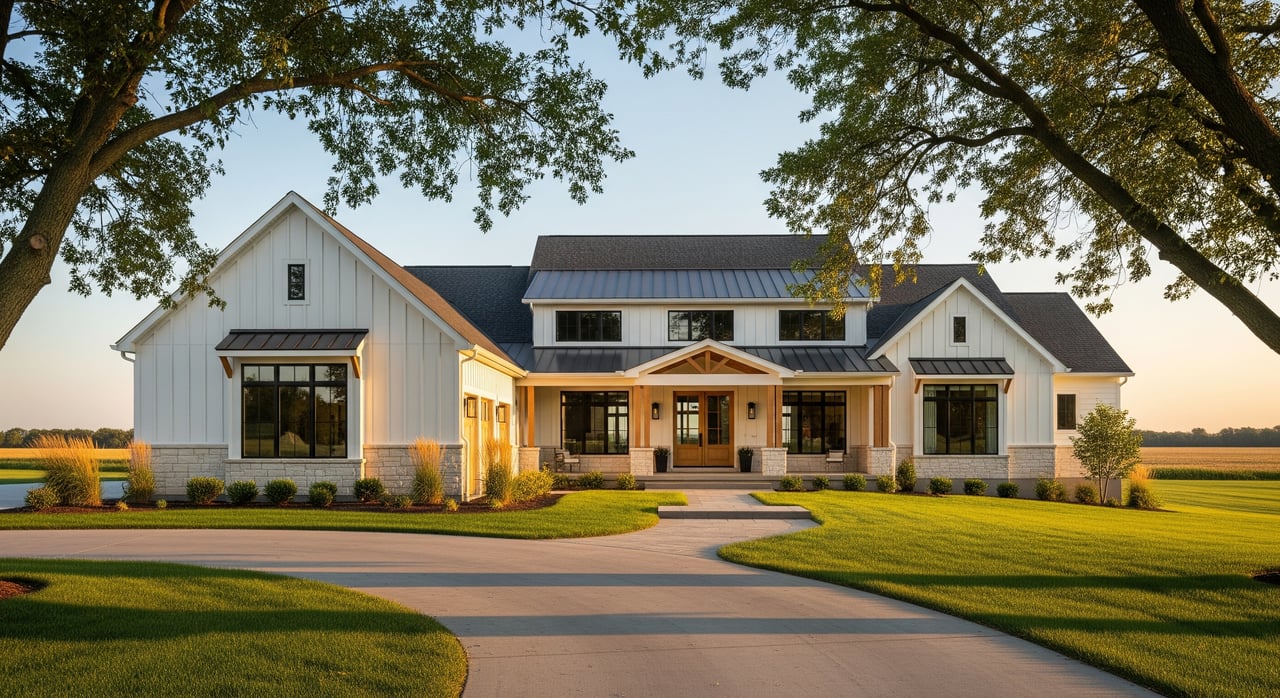
- Germantown Hills and Woodford County exurbs: Larger lots, a rural‑suburban mix, and longer but manageable commutes to Peoria.
What drives price and availability
- Proximity to amenities: Riverfront access, walkable pockets, and village centers often command premiums.
- School district boundaries: Lines can split neighborhoods, so verify current boundaries during your search.
- Home age and condition: Historic districts can offer character and craftsmanship, along with older systems that may need updates.
- Flood risk: Properties near the river or tributaries may sit in FEMA floodplains. Check maps, elevation certificates, and insurance costs.
- Local employment trends: Pricing and inventory can move with hiring patterns in healthcare, manufacturing, and education.
Commute and getting around
Many local commutes fall in the 20 to 30 minute range, especially if you live near main corridors. I‑74 runs east to west through Peoria, and I‑474 provides a western bypass, with bridges and state routes shaping peak‑hour patterns. Public transit coverage is more limited than in large metros, so most residents rely on personal vehicles.
For intercity travel, Peoria International Airport offers commercial flights with connections to larger hubs. Amtrak service is not directly in Peoria, but regional bus options can fill gaps. Select neighborhoods and the riverfront offer walkable areas and bike trails if you prefer active transportation.
To assess your daily rhythm, test‑drive your likely commute during peak times. If schools are part of your plan, map pickup, drop‑off, and after‑school routes to see how they fit into your day.
Jobs, healthcare, and education
Peoria’s economy blends healthcare, manufacturing, education, retail, and public sector roles. Many professionals across the region commute into the city for hospital systems, universities, and specialty services, while some manufacturing jobs sit in nearby towns.
As a regional healthcare hub, Peoria hosts hospitals and specialty centers that deliver tertiary care, including cardiology, oncology, and advanced surgery. For relocators who want close access to specialty care, this can be a deciding factor.
K–12 education is provided by multiple public districts, with private and parochial options as well. Review current district boundaries and the latest state report cards for performance context. Peoria also has higher‑education institutions, including a community college and a regional university presence, which add cultural programming and workforce pipelines.
Childcare availability can vary by neighborhood. If you have young children, research providers and waitlists early. Senior care resources are relatively broad for the region thanks to Peoria’s medical footprint.
Lifestyle, culture, and recreation
Peoria’s riverfront and downtown bring together museums, performing arts, festivals, and trails, giving you weekend options without long drives. You’ll also find regional museums, community theaters, symphony performances, and minor‑league sports.
Outdoor recreation spans parks, river trails, fishing and boating on the Illinois River, and local nature preserves. Quality of life often feels balanced for buyers who want a mid‑sized city vibe, with civic amenities and shorter commute stress compared with major metros.
Crime and safety can vary by neighborhood. For a clear picture, review local data, visit at different times of day, and talk with neighbors or a trusted local agent as you compare areas.
Peoria vs. Tri‑County suburbs
Here is a practical way to compare your options:
- Peoria city: Close to hospitals, colleges, and cultural venues, plus walkable historic areas and short drives to downtown.
- Tazewell County suburbs: Communities like East Peoria, Morton, and Pekin offer newer housing and suburban convenience while staying connected to Peoria jobs.
- Woodford County exurbs: Areas like Germantown Hills provide larger parcels and a rural‑suburban mix, with commutes typically in the 20 to 40 minute range depending on your destination.
Key decision factors
- Commute time to your most frequent destinations
- School boundaries and access to preferred programs
- Lot size and setting, from village streets to acreage
- Flood and weather risk, especially near the river
- Proximity to medical care, higher education, and cultural amenities
Relocation checklist
Use this list to plan your house‑hunting trip and next steps:
- Review current market data for median prices, days on market, and inventory.
- Estimate property taxes through the relevant county assessor for each home you consider.
- Verify school district boundaries and review the latest state report cards.
- Test‑drive commutes during peak hours, including school and activity routes.
- Check FEMA flood maps, ask about past flood claims, and price flood insurance if needed.
- Map healthcare access for your family’s needs, including specialty providers.
- Visit nearby groceries, parks, and dining to gauge lifestyle fit.
- Look up future development plans that may affect traffic or neighborhood character.
How a local advisor helps
Relocating is easier when you have a guide who knows the block‑by‑block details. A local expert can help you compare neighborhoods, estimate taxes for specific addresses, flag floodplain and weather risks, and coordinate thorough inspections, especially for historic homes. You also gain access to trusted lenders, inspectors, and contractors so you can move forward with confidence.
If you are ready to explore homes and neighborhoods across Peoria, Tazewell, and Woodford counties, connect with Carolyn Catton. With decades of local experience and tailored relocation support, you’ll get clear, step‑by‑step guidance from search to close.
FAQs
What makes Peoria a good home base in Central Illinois?
- Peoria concentrates jobs, regional healthcare, higher‑education resources, and cultural amenities, with a variety of housing and generally shorter commutes.
How long are typical commutes around Peoria?
- Many residents see 20 to 30 minute commutes, with times varying based on proximity to I‑74, I‑474, and river crossings.
Which areas have historic homes close to downtown?
- West Bluff and the city’s historic core offer older homes, walkable streets, and quick access to downtown and the riverfront.
Does Peoria have public transit and an airport?
- Public transit coverage exists but is limited, so most residents drive, and Peoria International Airport offers commercial flights with connections to larger hubs.
How do property taxes vary across the region?
- Illinois property taxes differ by county and taxing district, so it’s important to estimate taxes for each property through the appropriate assessor.
Is flood risk a concern near the Illinois River?
- Some areas near the river and tributaries are in FEMA floodplains, so checking maps, elevation certificates, and flood insurance costs is essential.