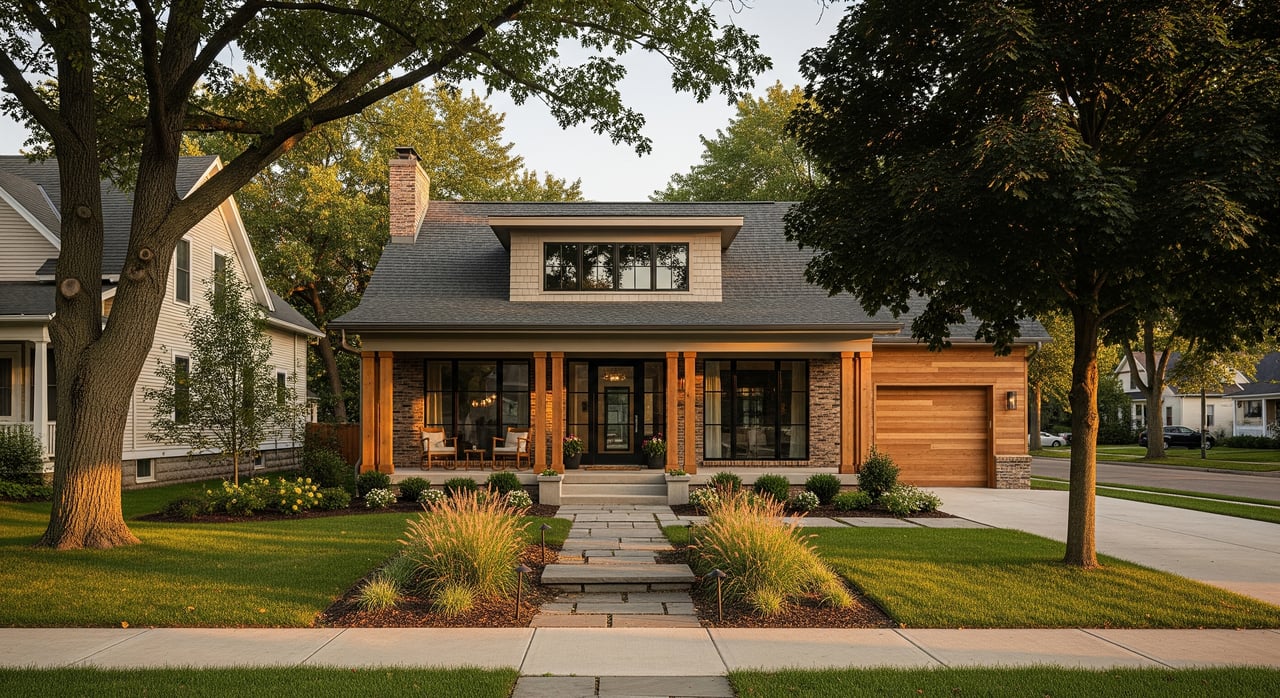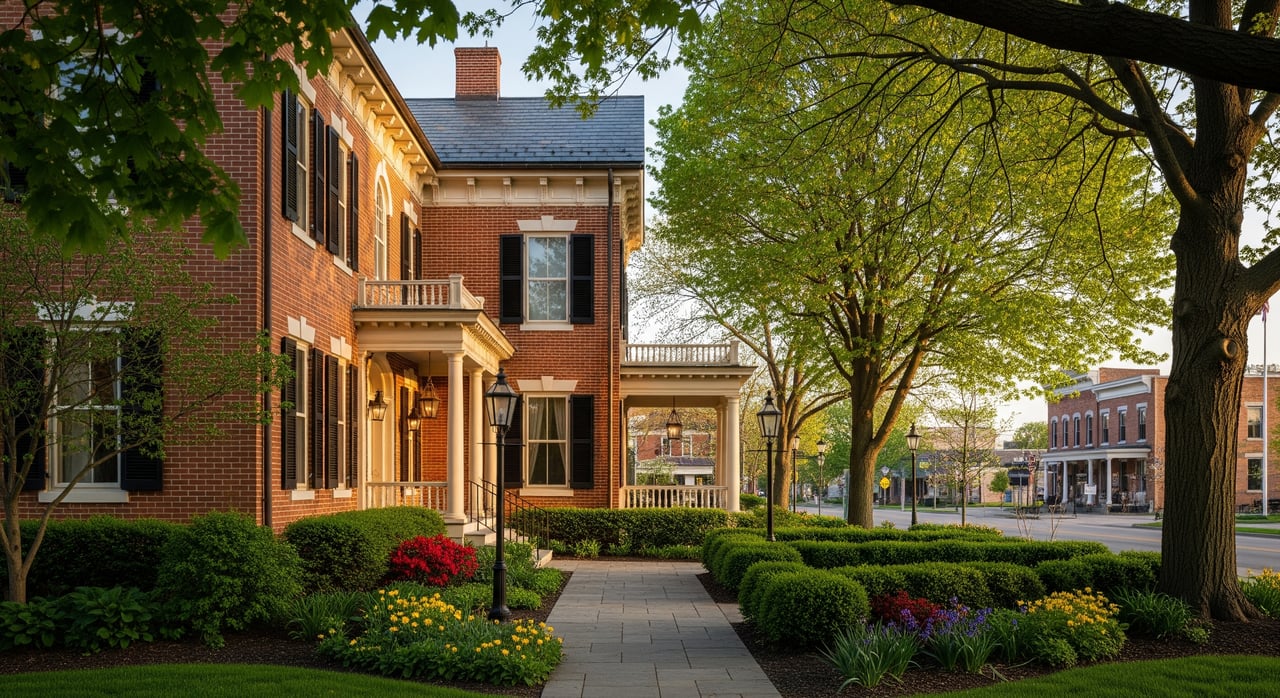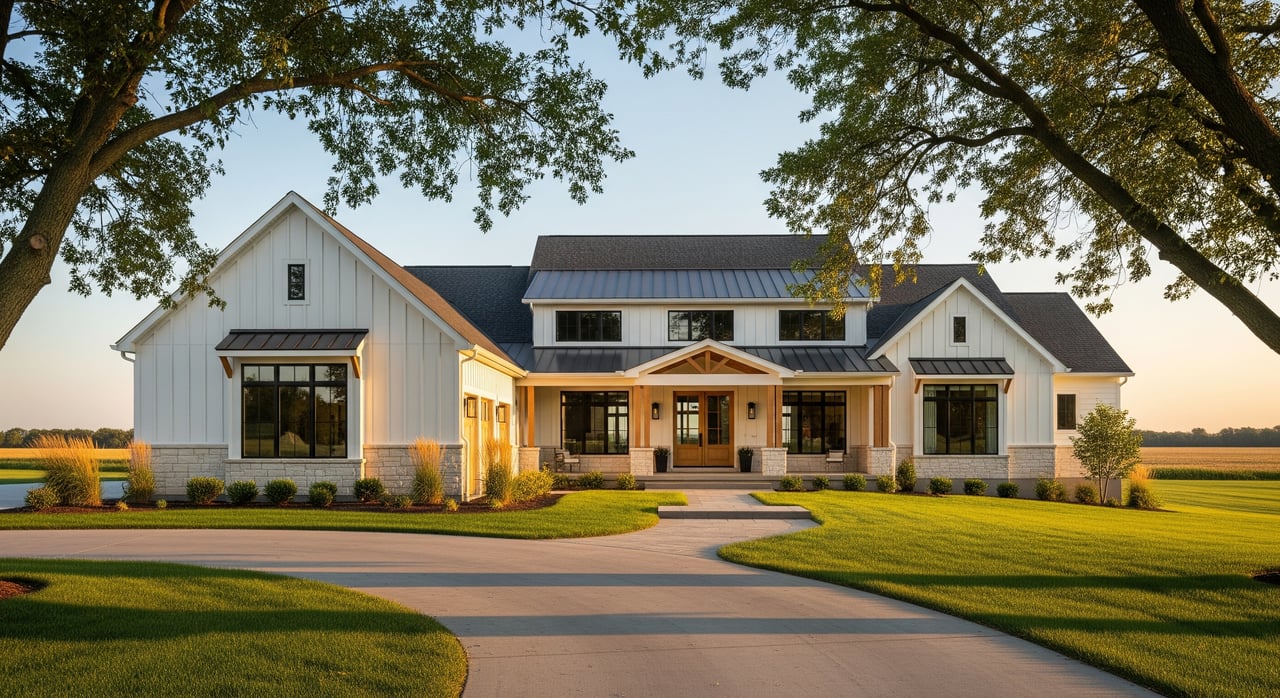
Thinking about a brand-new home in Dunlap but not sure where to start? You want a smooth build, clear costs, and a timeline you can trust. New construction can deliver the layout, finishes, and energy efficiency you want, but it also comes with decisions that are different from buying an existing home. This guide walks you through Dunlap-specific steps, from choosing a lot and builder to inspections, financing, and negotiation. Let’s dive in.
Why build in Dunlap
Dunlap offers a mix of planned subdivisions and rural parcels just northwest of Peoria. You will find lots with public utilities in newer neighborhoods and larger country parcels that may require a private well and septic system. Your daily commute, nearby amenities, school district boundaries, and lot topography all matter for long-term value and daily comfort.
Many details vary by parcel. Before you commit, verify zoning, utility connections, tap fees, floodplain status, and any subdivision rules with local offices and the seller or builder. Getting facts early helps you avoid delays and unexpected costs.
Choose the right lot in Dunlap
Utilities and infrastructure
Confirm whether the lot has public water and sewer or requires a well and septic. Ask about electric and natural gas availability and any tap or connection fees. Clarify who pays these fees and when they are due.
Floodplain and drainage
Check FEMA and Peoria County floodplain maps and ask about local stormwater requirements. Drainage, detention, and grading can add cost, especially on lots near creeks or low-lying areas.
Topography and soil
Rolling terrain and heavy clay soils are common in parts of the area. Steep slopes, rock, or poor soils can increase excavation and foundation costs. For larger or complex sites, consider a soil test or engineering review before you buy.
Easements and setbacks
Request recorded plats and any easements or conservation restrictions. Confirm building setbacks and where the home can sit on the lot. Knowing this up front helps you pick a plan that fits the site.
HOA rules and design controls
If the lot sits in a subdivision, review the covenants, conditions, and restrictions. Look for exterior materials standards, color approval, fencing rules, and landscaping requirements. Ask about architectural review timelines.
Cost and timing factors
- Lot premiums for corner, cul-de-sac, pond, or walkout sites.
- Tap and impact fees for water and sewer.
- Site work like grading, retaining walls, or long driveways.
- Permit lead times with the Village of Dunlap.
Lot due-diligence checklist
- Verify water, sewer, gas, and electric availability and estimated connection costs.
- Confirm FEMA and Peoria County floodplain status.
- Request recorded plat, easements, and any CC&Rs.
- Ask for recent comparable lot premiums and site work estimates.
- Confirm expected permit timelines with the Village of Dunlap.
- Review soil and topography; ask if an engineered foundation may be needed.
- Check driveway access needs and any county or village permits.
Selecting your builder
What to look for
Ask for a list of recently completed homes in Dunlap or greater Peoria and contactable references from the past 12 to 24 months. Tour model homes when possible. Review standard specification sheets, responsiveness to questions, and how the builder handles warranties.
Confirm whether the builder constructs only on their own lots or will build on a private lot. Lot-home contracts carry different risks, so get details in writing.
Key contract terms you should confirm
- Price structure: base price, lot cost, upgrades, and allowances.
- Start date and completion window with milestones and delay remedies.
- Change order process, selection deadlines, and deposits for upgrades.
- Plans and specifications attached to the contract. Put all verbal promises in writing.
- Financing contingency or mortgage commitment dates.
- Inspection rights during construction and at the final walk-through.
- Title, deed, and closing cost responsibilities.
- Remedies and dispute resolution procedures.
Allowances and selections
An allowance is a dollar amount in the contract for items you have not selected yet, such as cabinets, flooring, lighting, or countertops. If your selections cost more than the allowance, you pay the difference. If they cost less, you typically receive a credit. Watch for low allowances and vague descriptions, and ask for final selections and pricing in writing. Note any deadlines for design center visits to avoid delays.
Warranties and post-closing service
Many builders offer a multi-tiered warranty often called a 1-2-10: one year for workmanship, two years for mechanical systems, and ten years for major structural items. Coverage varies by builder, so request the full written warranty and understand how to submit claims. Track manufacturer warranties for appliances, windows, roofing, and HVAC, including registration steps and timelines.
Timeline and milestones
Typical build timeline
A straightforward production home on a prepared lot may take about 4 to 6 months from lot start to closing. Larger custom builds or sites that require extensive preparation can take 6 to 12 months or more. Weather, supply chains, and permit timing all affect the schedule.
Common stages to expect
- Contract signing
- Permits and site preparation
- Foundation
- Framing
- Rough mechanicals for plumbing, HVAC, and electrical
- Insulation and drywall
- Interior finishes such as cabinets, counters, and flooring
- Final inspections and certificate of occupancy
- Final walk-through and closing
Inspections you should plan
Hire an independent inspector experienced in new construction. Schedule staged inspections such as pre-drywall, mechanical sign-offs, and a final inspection. If the site has special conditions, consider septic or well inspections, soil compaction checks, or foundation engineering reviews. Builder inspections and municipal checks are important but not a substitute for your own inspector.
Walk-through and punch list
Before closing, complete a detailed walk-through and create a punch list of items to fix. Keep a copy with agreed timelines for completion. After move-in, document any warranty requests in writing and track responses.
Financing your new build
Common options in Illinois
- Construction-to-permanent loan: a single-close loan that converts to a permanent mortgage when construction is complete.
- Stand-alone construction loan: short-term, interest-only financing followed by a separate permanent mortgage.
- Builder incentives: promotional financing, rate buydowns, or closing cost credits that you can compare to independent lender offers.
- Government-backed programs: FHA and VA offer options for new construction with specific guidelines and documentation.
What to watch in financing
- Draw schedule and inspection requirements connected to each draw.
- Interest rate exposure before the loan converts to permanent financing.
- Responsibilities for temporary occupancy or builder’s risk insurance.
- Lender experience with new construction in Illinois and, ideally, Peoria County.
Negotiating with builders in Dunlap
Common negotiation levers
- Lot premium reductions or rolling the lot cost into the base price.
- Builder-paid closing costs or lender credits.
- Upgrades or appliance packages written into the contract.
- Completion targets with modest remedies for delay.
- Landscaping and driveway allowances or completion before closing.
- Inspection or engineering allowances if site conditions are uncertain.
- Clear punch-list timelines and, when appropriate, an escrow holdback for incomplete items.
The value of buyer representation
The sales agent in a model home represents the builder. Your own agent protects your interests by reviewing the contract, documenting promises, coordinating inspections, and negotiating upgrades or credits. An agent familiar with Dunlap and greater Peoria understands typical builder practices, local timelines, and where you can ask for value without sacrificing schedule.
Special Dunlap-area considerations
- Tap and impact fees: confirm totals with the Village of Dunlap and utility providers, and clarify who pays.
- Floodplain proximity: certain parcels near the Illinois River or tributaries may have flood restrictions or insurance requirements.
- Well and septic: for rural parcels outside municipal service areas, confirm feasibility, soil percolation, and setbacks.
- Driveway and culvert costs: rural lots may require culverts or county permits for access.
- HOA design review: some subdivisions have approval timelines that can affect exterior changes or delays.
Verify parcel-specific details with the Village of Dunlap, Peoria County offices, Dunlap CUSD 323 for school boundaries, and your utility providers before you sign.
Build new vs. buy existing in Dunlap
Build new
- Pros: modern floor plans, energy-efficient systems, new warranties, and the finishes you want.
- Considerations: longer timeline, selection deadlines, and cost variability tied to site work and upgrades.
Buy existing
- Pros: faster move-in and easier comparison shopping.
- Considerations: potential updates, less control over floor plan, and older systems without full new-home warranties.
Your decision often comes down to timing, budget flexibility, and how important customization is to you.
Next steps for Dunlap buyers
- Clarify your must-haves and nice-to-haves.
- Get pre-approved and discuss construction financing options.
- Shortlist neighborhoods or rural areas that fit your commute and lifestyle.
- Compare builders, review spec sheets, and tour models if available.
- Perform lot due diligence with local offices before signing.
- Lock in selections and track milestones and inspections.
- Keep documentation organized for warranties and post-closing service.
If you want a local guide to manage the process and negotiate on your behalf, connect with Carolyn Catton for thoughtful, experienced representation in Dunlap and greater Peoria.
FAQs
Should I hire a home inspector for a new Dunlap build?
- Yes. Independent staged inspections, including a pre-drywall check, help catch issues early and complement builder and municipal inspections.
What is an allowance in a new-construction contract?
- An allowance is a set dollar amount for items you have not selected yet, such as flooring or lighting; if you exceed it, you pay the difference, and if you spend less, you usually get a credit.
How long does new construction typically take in Dunlap?
- A simple production build on a prepared lot may take 4 to 6 months, while larger custom homes or complex sites often take 6 to 12 months or more, depending on weather and permits.
Can I change finishes after signing the contract?
- Usually yes through a change order, but expect added cost and possible schedule impacts; get all pricing and deadlines in writing.
Who pays for upgrades in a new home purchase?
- Upgrades beyond the base specification are typically paid by the buyer; negotiate which upgrades or credits the builder can include.
What kind of warranty comes with a new home?
- Many builders offer a 1-2-10 structure that covers workmanship for one year, mechanical systems for two, and major structural components for ten; review the written terms and claim procedures.